AT&T, T-Mobile, and Verizon join forces to eliminate mobile coverage dead zones
AT&T, T-Mobile, and Verizon are collaborating to eliminate mobile coverage dead zones by pooling satellite resources and improving connectivity in underserved areas.
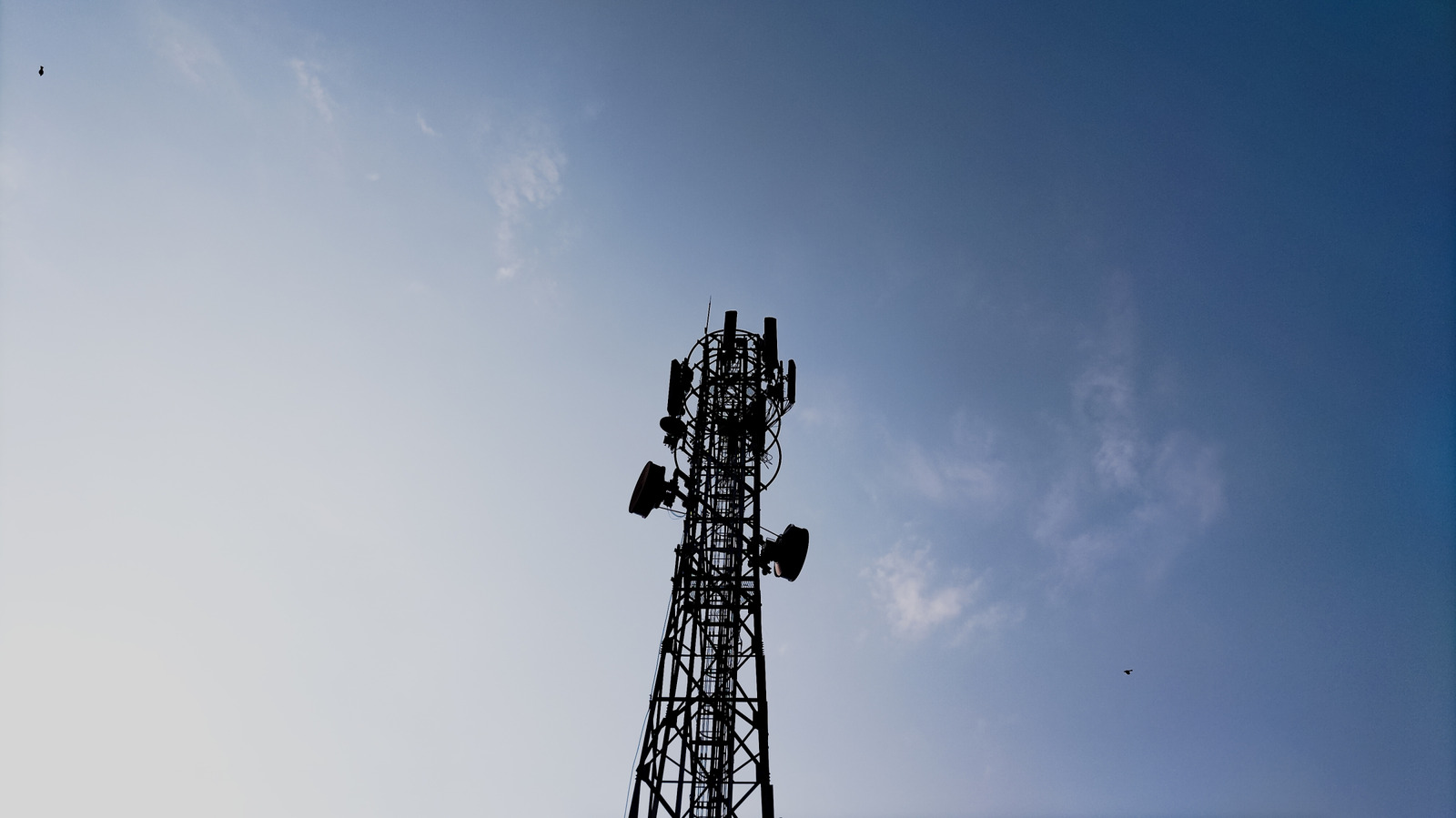
The Big Picture
In an unprecedented move, rival carriers AT&T, T-Mobile, and Verizon have announced a joint effort to eliminate mobile coverage dead zones across the United States. The companies will pool their resources to enhance satellite capacity and boost connectivity in underserved and remote areas. This collaboration marks a significant shift from their usual competitive stance, aiming to address long-standing gaps in network coverage. By combining satellite assets and infrastructure, the carriers hope to provide more reliable service to customers in rural and hard-to-reach locations. The initiative underscores the growing importance of satellite technology in bridging the digital divide and improving overall network resilience.
Why It Matters
This unprecedented collaboration among the Big Three US carriers could finally bridge the digital divide in rural and remote areas, where coverage gaps have long hindered economic and social inclusion. By pooling satellite resources, they may also accelerate the rollout of direct-to-cell satellite services, potentially reshaping the competitive landscape and forcing smaller carriers to innovate or partner up.
Deepen your understanding
Use our AI to break down complex signals.
Select an AI action to generate more depth.
Intelligence Exchange
0Log in to participate in the exchange.
Sign InSyncing Discussions...